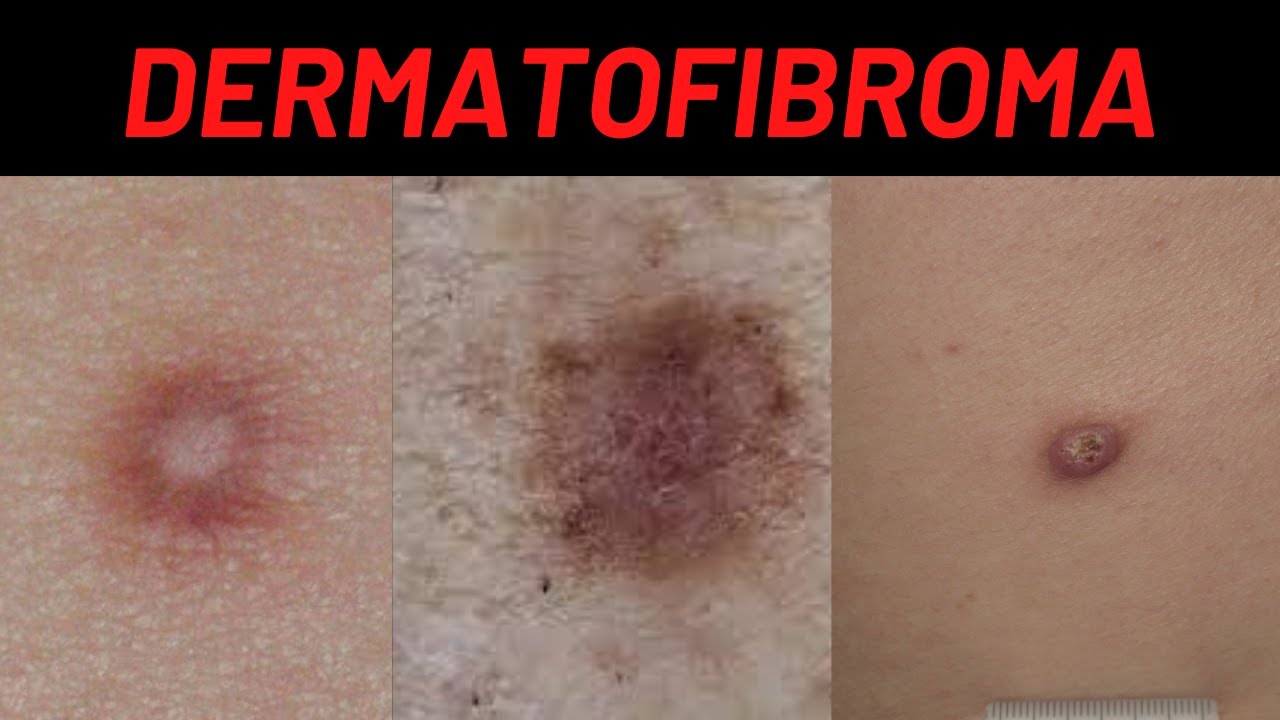
Moles It most often takes place on the nose, forehead, ears, lower lip, hands, and other sun-exposed areas of the body. Squamous cell carcinoma is treatable if caught and treated early. If the skin cancer becomes more advanced, therapy will depend upon the phase of cancer cells. They can be found in sun-exposed or sun-protected areas of the body. Atypical moles may be bigger (one-quarter inch across or larger) and extra irregular fit, with notched or fading boundaries.
One of the most usual sorts of cancer in the United States isn't breast cancer cells or pancreatic cancer.
Sweat hyperplasia can additionally be eliminated for aesthetic functions.
A melanocytic naevus can be histologically categorized as a junctional, compound, or dermal naevus depending on the place of nests of naevus cells.
Most physicians recommend routine tracking of uncommon moles. While it is feasible for a dysplastic nevus to develop into a cancer malignancy, the opportunity is really reduced. However, you can elect to have an irregular mole removed for cosmetic factors. This nonmelanoma skin cancer might appear as a firm red nodule, a flaky growth that bleeds or creates a crust, or an aching that does not heal.
Just how to inform if a skin sore is benign?
Symmetry fit, colour and structure.Stable or gradually evolving.Absence of
spontaneous bleeding(blood loss or ulceration may be because of current injury).
Therapies are typically quick, and people can return to normal tasks soon afterward. Regular skin examinations by a qualified dermatology company are recommended for risky individuals. Your medical professional at Calkin & Boudreaux can give standards based on your personal threat variables. A lot of benign moles are smaller than 6 millimeters in diameter (roughly the size of a pencil eraser). Larger places, particularly those that continue to grow, call for closer focus.
Dr Tanja Phillips-- Professional Benign Lesion Treatment
Below's more regarding how to identify whether your mole is healthy or possibly a reason for fear. Nonetheless, if the disease is identified prior to it spreads, it is highly curable. According to the National Cancer Cells Institute, the estimated five-year survival price for people whose melanoma is spotted early is about 99 percent. Moles vary fit and size; however, they are all typically round, slightly raised, and normal fit. Lesions like skin tags and cherry angiomas can run in family members, with parents giving a predisposition to their kids. Triggered by an enhancement of the sebaceous glands surrounding a skin roots, sweat hyperplasia takes place regularly in males. Raised growths that encircle a main hollow, these benign sores often look like basic cell https://charlieaehs606.hexaforgey.com/posts/progressing-the-understanding-of-seborrheic-keratosis-journal-of-medications-in-dermatology carcinomas, so cancer cells assessment is a sensible selection. Sweat hyperplasia can also be removed for aesthetic functions. Irregular moles can sometimes elevate worries, leading several to question the difference in between cancer malignancy vs a mole.
Comprehending Moles
Recognizing the various types of lesions and the readily available treatment options can assist you make informed choices concerning your treatment. A benign skin growth is essentially a mass of cells that appears as a growth on the skin. Modifications in the typical hereditary growth and function of the skin also present in various other methods such as staining or skin coloring conditions. In darker skin, cancer malignancy might appear in much less sun-exposed areas, like the hands, soles, or under nails. You don't Extra resources need to have all these for the spot to be precancerous. Generally appearing on the back, upper body, face, or neck as you age, seborrheic keratoses look like raised, waxy bumps. They vary in shade from light tan with brown to black, and while they're not dangerous in themselves, they can capture on clothing, becoming aggravated. Or else, you won't need therapy for these unless their wart-like appearance bothers you. Lots of people are birthed with moles which often establish throughout childhood years and continue to form via middle age. When individuals get to the age of 40 or 50, the formation of new moles is less typical, and moles tend to discolor or may go away totally after midlife. A mole that does not have the very same color throughout or that has tones of tan, brown, black, blue, white, or red is suspicious.